Teat spray is one of those inputs that many farmers choose once and rarely revisit, which means a lot of herds are running with a product that was never matched to their system in the first place.
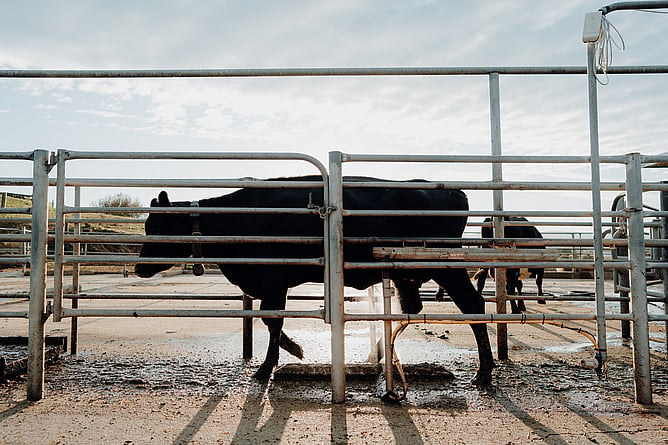
Deosan has been supplying teat care products to NZ dairy farmers for decades. That experience has shaped a product range built specifically around the conditions NZ farmers actually work in: high rainfall, pasture-based systems, cold mornings, and muddy yards. This guide walks through the key decisions so you can match the right Deosan product to your herd, your infrastructure, and your season.
The link between teat conditon and the importance in preventing Mastitis
Teat condition is one of the most reliable early indicators of mastitis risk in a dairy herd. A healthy teat end; smooth, supple, and free from damage, acts as the udder's first line of defence against bacterial invasion. When teat skin becomes cracked, chapped, or hyperkeratotic (the rough, raised ring that develops around the teat orifice under repeated milking stress), that barrier breaks down.
Damaged teat ends are significantly harder for bacteria to penetrate, allowing pathogens a point of entry, and are also harder to disinfect effectively with post-milking teat spray.
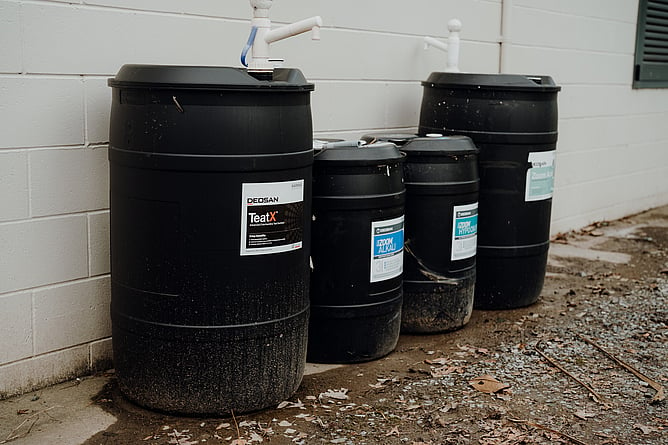
This is why Deosan TEATX is formulated with both an iodine-based active and an emollient base, because killing bacteria and maintaining healthy teat skin are two sides of the same problem. Farms that monitor teat condition regularly and maintain a consistent post-milking spray programme consistently report lower somatic cell counts and fewer new infection events across the season.
Post milking teat spray
Post-milking teat spray is the most important intervention in any teat health programme. Applied immediately after cup removal, it targets bacteria on and around the teat end during the period of maximum vulnerability, when the teat canal is still partially open. Every dairy farm in New Zealand should be running a post-milking spray or dip programme, every milking, without exception.
Deosan TEATX is the benchmark post-milking product for NZ conditions. Developed in the early 1990s specifically for pasture-based dairying, TEATX uses an iodine-based active calibrated for effective kill rates in cold and wet conditions, without the teat skin damage that high-concentration iodine products can cause over a season. If you are running one product, TEATX is where to start.
The link between teat spray and SCC outcomes
Your SCC data is the most reliable measure of how well your teat spray programme is performing. A well-run Deosan programme; TEATX, TEATX Plus or iodine teat dip applied consistently, with barrier spray used at key risk periods - should be contributing to SCC below 150,000 cells/mL. Farms consistently above 200,000 are losing processor income and often don't realise the programme is the place to look first.
The most common issues Deosan's field team finds when investigating elevated SCC: product concentration that has drifted (particularly with concentrate products mixed on-farm), spray or dip equipment that hasn't been serviced, and application that has become inconsistent as seasons progress and staff change.
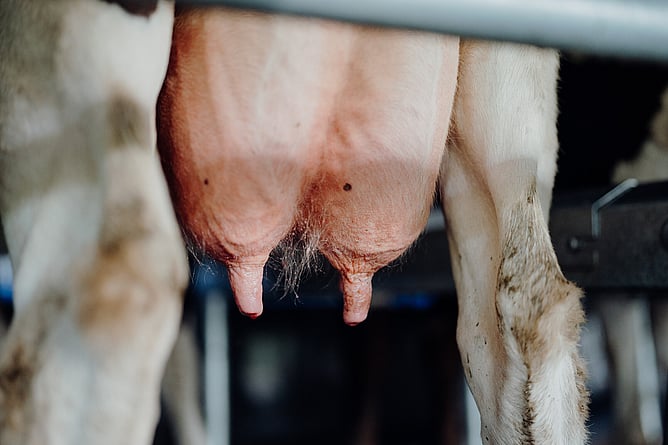
Teats treated with Deosan TEATX Post-Milking Teat Spray across the full 2025/26 dairy season.
How to trial a new product properly
If you are considering switching products, don't change everything at once. Trial the new product for a full six-week period on your herd, monitor teat end condition weekly, and track SCC at the next pickup. If teat condition holds and SCC stays stable or improves, the product is working for your system. If either moves in the wrong direction, the product isn't the right match, regardless of the price.
Six weeks is the minimum for a meaningful trial. Anything shorter and you're making decisions based on noise, not signal. A Deosan territory manager can help you design a structured comparison if you want to evaluate your current programme against an alternative.