Calving's done, herds are settled, and volume is at its highest for the year. It's easy to think the hard part of the season, the part where teat care really matters, is behind you. It isn't. Peak is actually when teat skin is under the most physical strain all year, and it's exactly the point where a small gap in coverage does the most damage.
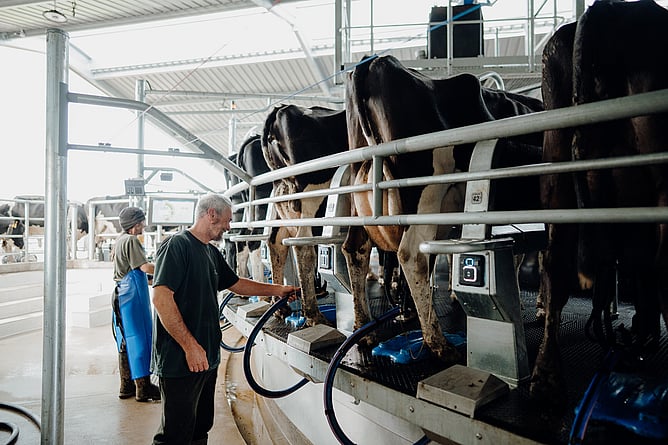
Full milking frequency, full flow, full herd through the shed twice a day - that's a lot of cups going on and off, a lot of exposure, and a lot of opportunity for teat skin condition to slide if spray coverage isn't consistent. Unlike calving, where the risk is about new, vulnerable teats, the risk at peak is about volume and repetition wearing down teat condition that was fine a few weeks ago.
Why "it was fine at calving" doesn't mean it's fine now
Your calving-season routine was built around a specific problem: fresh calvers with vulnerable, easily-damaged teats. That checklist did its job. But peak brings a different kind of pressure, not vulnerability, but cumulative wear. Teat skin exposed to full milking frequency, day after day, needs the same reliable protection it needed at calving, just for a different reason.
It's easy for coverage to quietly slip at this point in the season. Staff are in a peak-season rhythm, cups are going on fast, and a spray pattern that's slightly rushed or slightly inconsistent doesn't look any different day to day, until teat condition starts showing it.
What to check right now
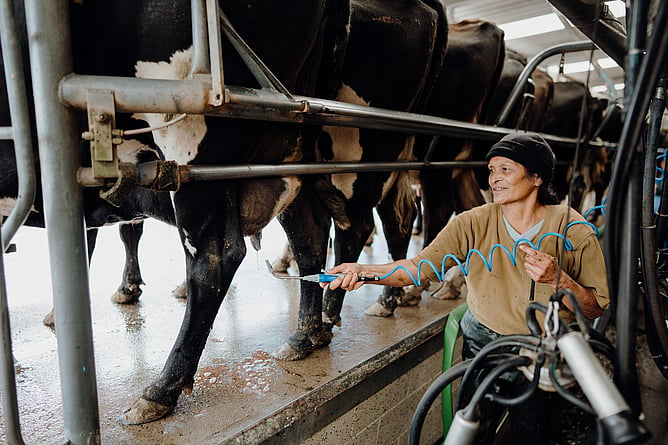
Spray coverage, not just spray application. Are all four teats getting full coverage, every time, or is the back-left cup consistently the rushed one?
Product performance under volume. A teat spray that performed well at lower throughput needs to keep performing as cups move faster and more often through the shed.
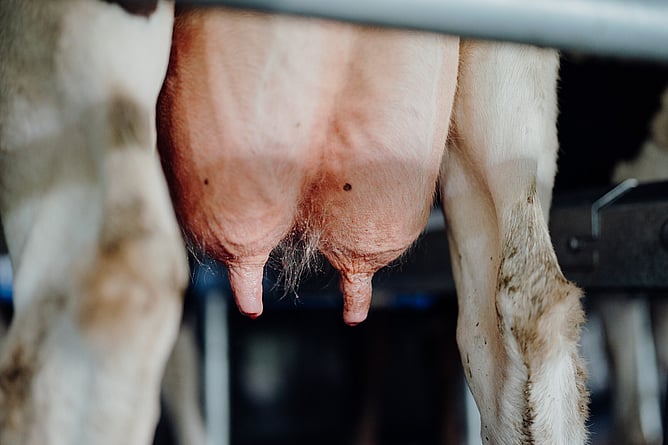
Teat skin condition, visually. Look for early signs of dryness, cracking, or hyperkeratosis, the kind of thing that's minor now and a mastitis risk factor in a few weeks if ignored.
Consistency across staff and shifts. Peak season often means more people through the shed. Make sure everyone's applying spray the same way, not just the way they were shown once in spring.
Why this matters for the rest of the season
Teat condition at peak doesn't just affect peak. Skin damage that starts now often shows up as elevated somatic cell counts or mastitis cases weeks later, well after the original cause has been forgotten. Protecting teat condition during the highest-frequency stretch of the year is one of the most cost-effective things you can do to protect milk quality through to dry-off.
TEATX Plus is built for exactly this, reliable, science-backed coverage that holds up under real farm conditions, at any point in the season. Request a free trial or talk to your local Territory Manager about your peak-season teat spray programme.